


 Wildlife
 Beyond the Big Five: The Wildlife Nobody Puts on the Poster
Ticking off lion, leopard, elephant, buffalo and rhino takes about three days. The animals that make guides genuinely excited are somewhere else on the list.
The "Big Five" was a hunting term — the five animals considered most dangerous to shoot on foot. It has nothing to do with rarity or interest, and yet it has organised how most people think about a safari for a century. Here is what our guides get excited about instead.
The Samburu Special Five
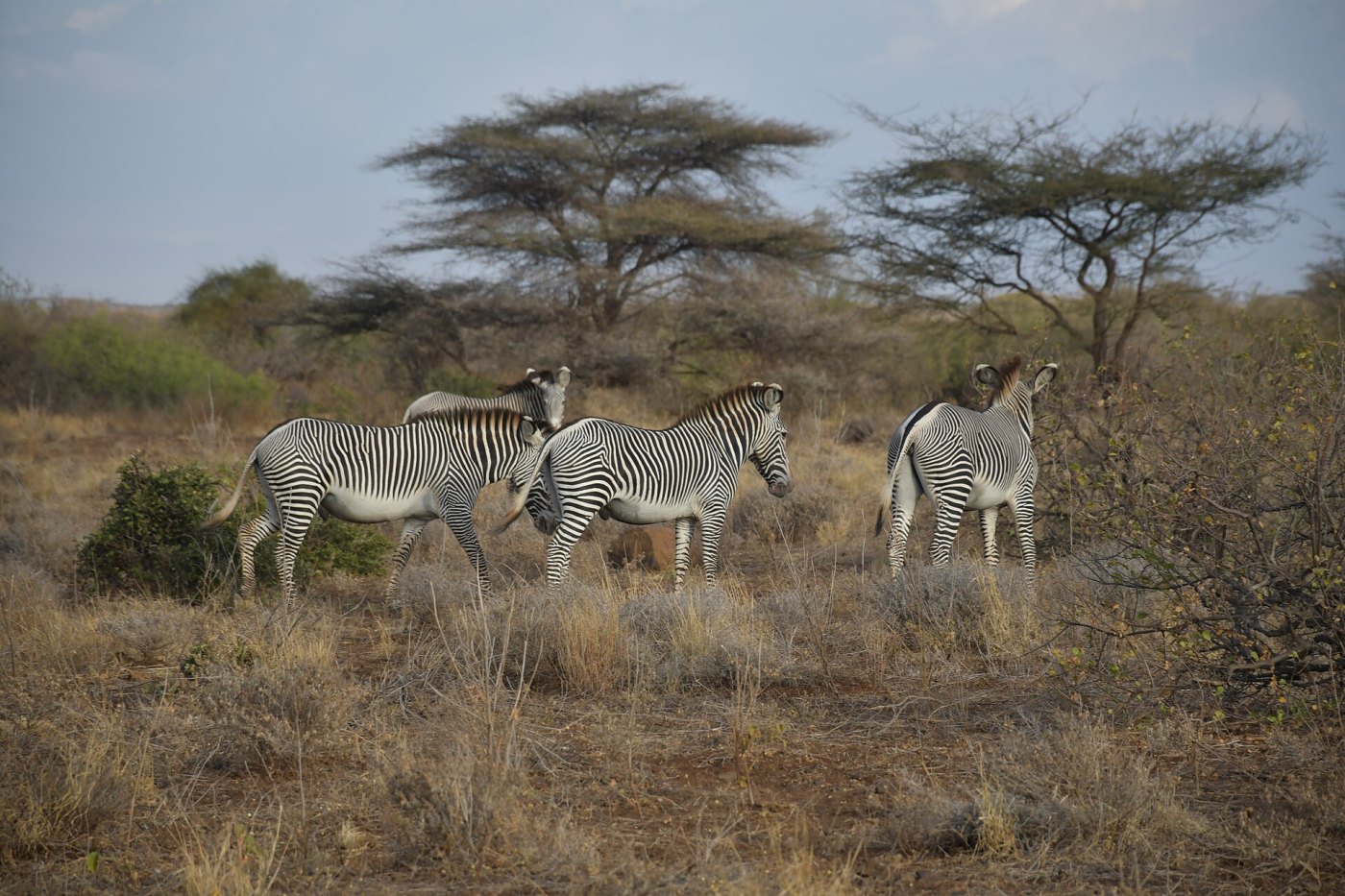
North of the equator the ecosystem shifts to semi-arid, and with it the wildlife. Samburu holds five species you will not find in the Mara or the Serengeti:
- Grevy's zebra — larger than the plains zebra, with narrow stripes and enormous rounded ears. Fewer than 3,000 remain.
- Reticulated giraffe — the sharp-edged geometric coat pattern, quite unlike the Masai giraffe further south.
- Beisa oryx — grey with black facial markings and long straight horns.
- Gerenuk — an antelope that stands on its hind legs to browse, with an absurdly long neck. Genuinely strange to watch.
- Somali ostrich — blue-legged, unlike the pink-legged common ostrich.
The predators nobody asks for
Everyone wants lion. Almost nobody asks for wild dog, and African wild dogs are the most successful hunters on the continent — a roughly 80 percent kill rate, against about 25 percent for lion. They are endangered, highly mobile, and a genuinely lucky sighting.
The same goes for caracal, serval, honey badger and aardwolf. Ask your guide to slow down for these. A serval hunting through long grass at dusk is a better piece of behaviour than a lion asleep under a bush, which is what lions do for twenty hours a day.
Birds, seriously
Kenya alone has recorded over 1,100 bird species. You do not need to become a birder to appreciate a lilac-breasted roller opening its wings, a secretary bird stamping a snake to death, or a martial eagle taking a young gazelle. Tell your guide you are interested — most of them are passionate birders and are simply used to being asked to drive past.
The small stuff
Dung beetles rolling a ball twice their size. A chameleon crossing the track. Termite cathedrals two metres high, air-conditioned by convection. Ask what you are looking at. The best game drives we run are the ones where the vehicle stops for something small.
How to make this happen
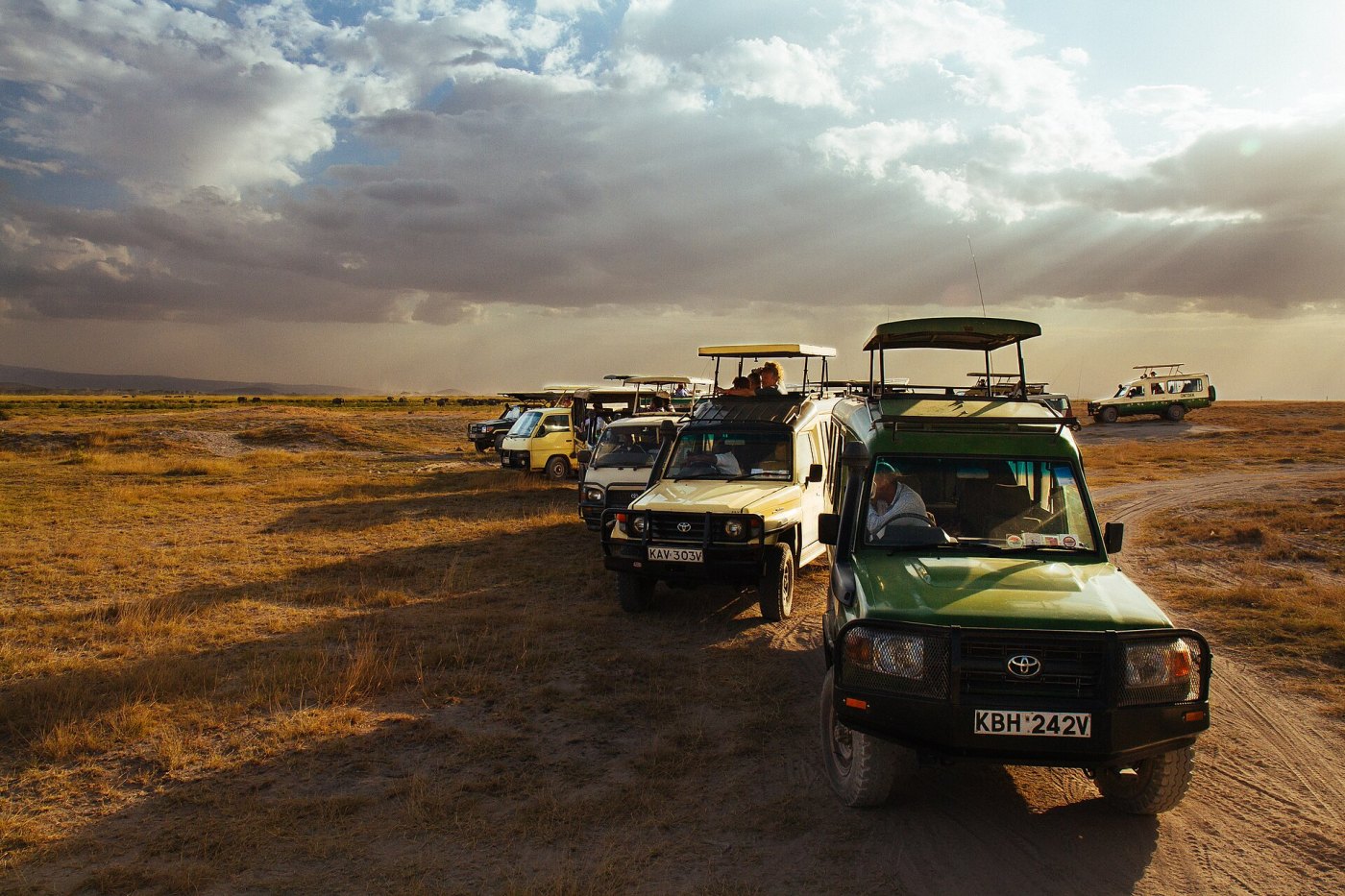
Tell your guide on day one what interests you. Guides default to the Big Five because that is what most guests want, and they will happily change gear if you say so. The second thing: book at least two nights in each park. Rushed itineraries force guides to chase the checklist. Time is what lets them show you the good stuff.