


 Travel Tips
 Packing for an East African Safari: What Actually Matters
Most safari packing lists are twice as long as they need to be. After thirteen years of watching what our travellers actually use, here is the short version.
Every safari packing list on the internet tells you to bring nine things you will never touch. This one is based on what we actually see people use — and what they wish they had brought.
The luggage rule that catches people out
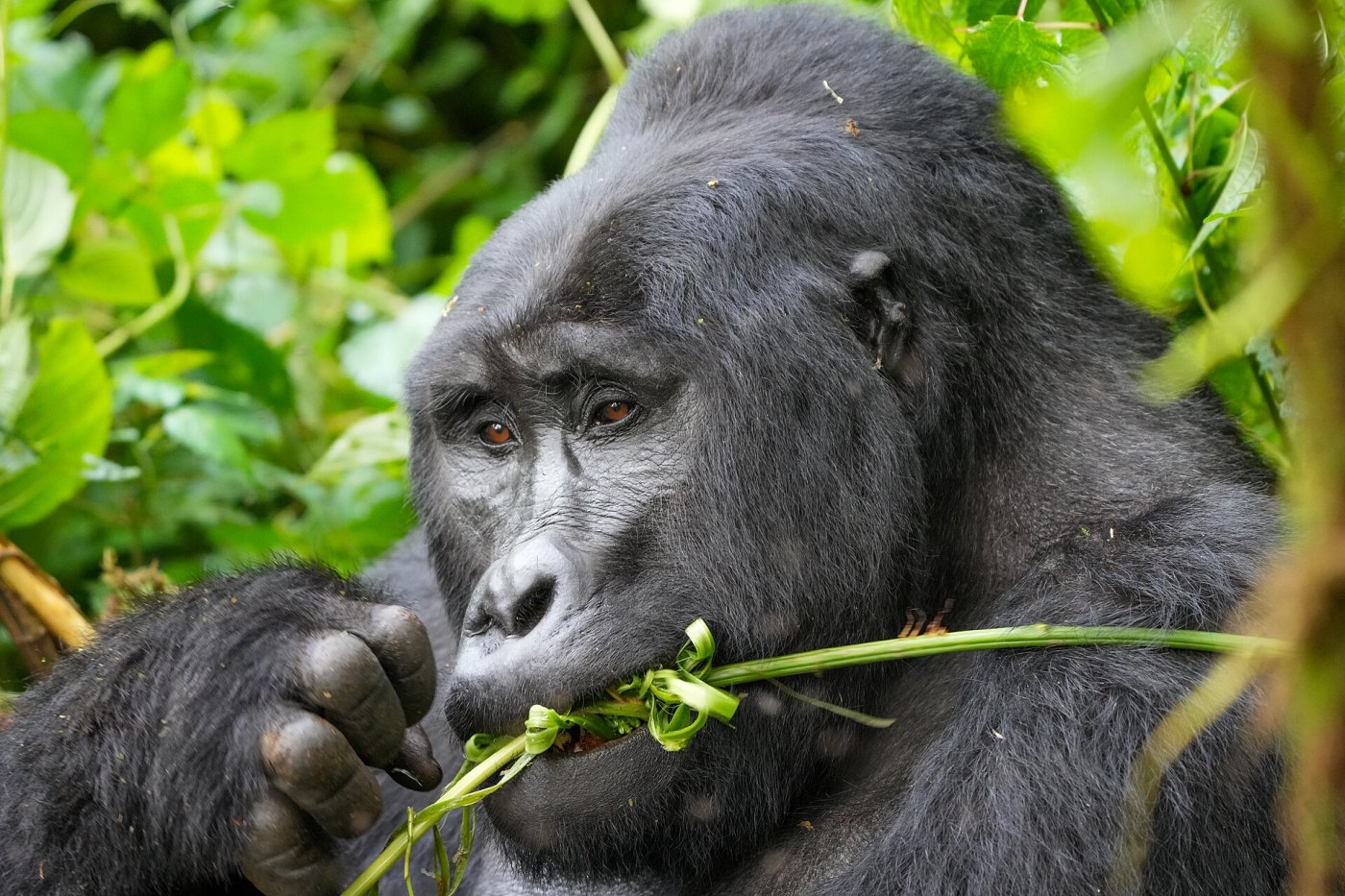
If your itinerary includes any light-aircraft transfer — a fly-in to the Mara, a hop to Zanzibar, a Kihihi connection for gorilla trekking — you are limited to 15 kg in a soft-sided bag. No wheels, no hard shell. This is not negotiable; the baggage holds are physically too small. Bring a duffel.
Clothing
- Neutral colours. Khaki, olive, brown, grey. Avoid dark blue and black entirely — tsetse flies are drawn to both.
- Layers. Game drives start at 06:00 and it is genuinely cold on the plains at that hour, then 30 °C by eleven. A fleece and a windproof shell earn their place.
- Long sleeves and trousers for evenings. The best mosquito protection is fabric.
- Two pairs of shoes. Closed walking shoes and something you can kick off at camp. Serious boots only if you are trekking.
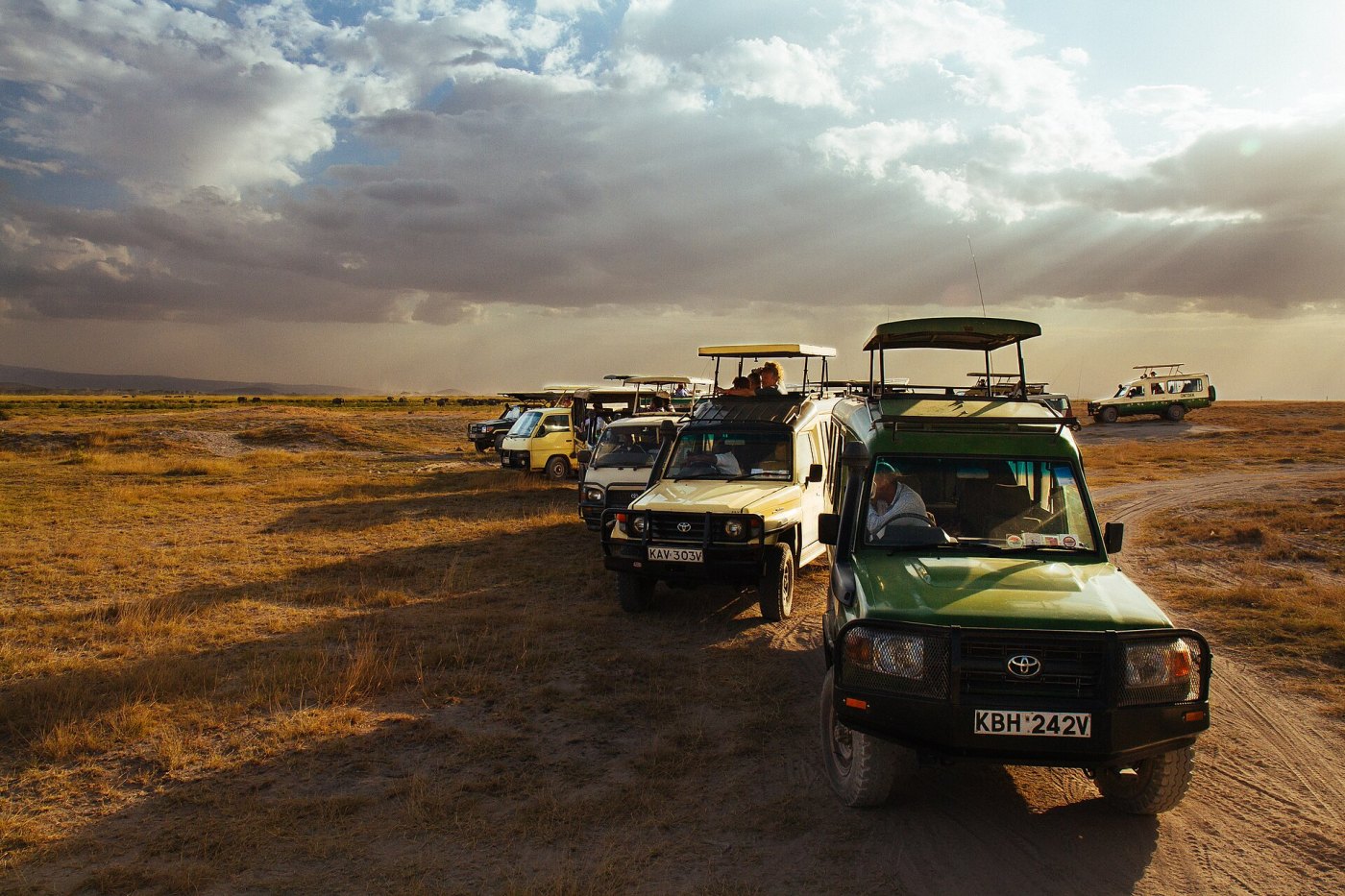
- A wide-brimmed hat and a buff. The buff is for dust, and you will use it every day on a road safari.
Things people forget and then buy at four times the price
- A headtorch. Camp paths are not lit, and for a reason.
- A universal adapter — Kenya, Tanzania and Uganda all use the UK three-pin type G.
- A power bank. Some camps run generators only at set hours.
- Binoculars. One pair per person, not one for the vehicle. 8×42 is the sweet spot.
- Rehydration salts, plasters and any personal medication in its original packaging.
Cameras
You do not need a professional body. You do need reach — 200 mm is the practical minimum, 400 mm is better. A second battery and double the memory cards you think you need. Bring a dust blower; the murram roads get into everything.
Health and documents
Yellow fever certificates are required for entry to Kenya and Uganda if you are arriving from an endemic country, and Tanzania asks for one if you have transited through one. Take antimalarials — speak to a travel clinic six weeks out. Carry a printed copy of your travel insurance policy with an emergency number that works from abroad.
What to leave at home
Camouflage clothing is illegal for civilians in Uganda, Tanzania and Zimbabwe and will be confiscated. Drones require permits that take months. And you will not need three pairs of jeans — nobody dresses up on safari.